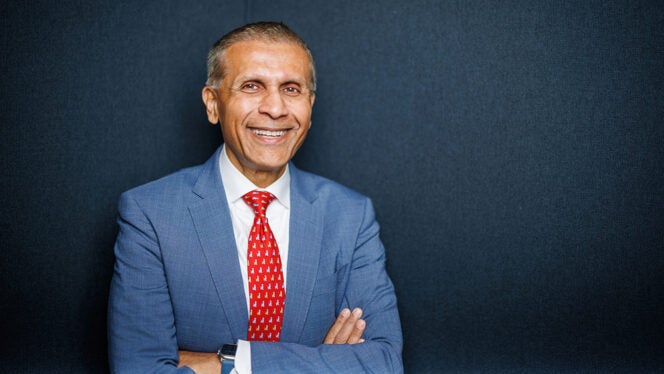






Pete McCanna, chief executive officer of Baylor Scott & White Health, recently shared this personal story and vision for healthcare transformation during the Baylor Scott & White Dallas Foundation Board meeting. We’re honored to feature his reflections on how purpose and philanthropy are shaping the future of care.
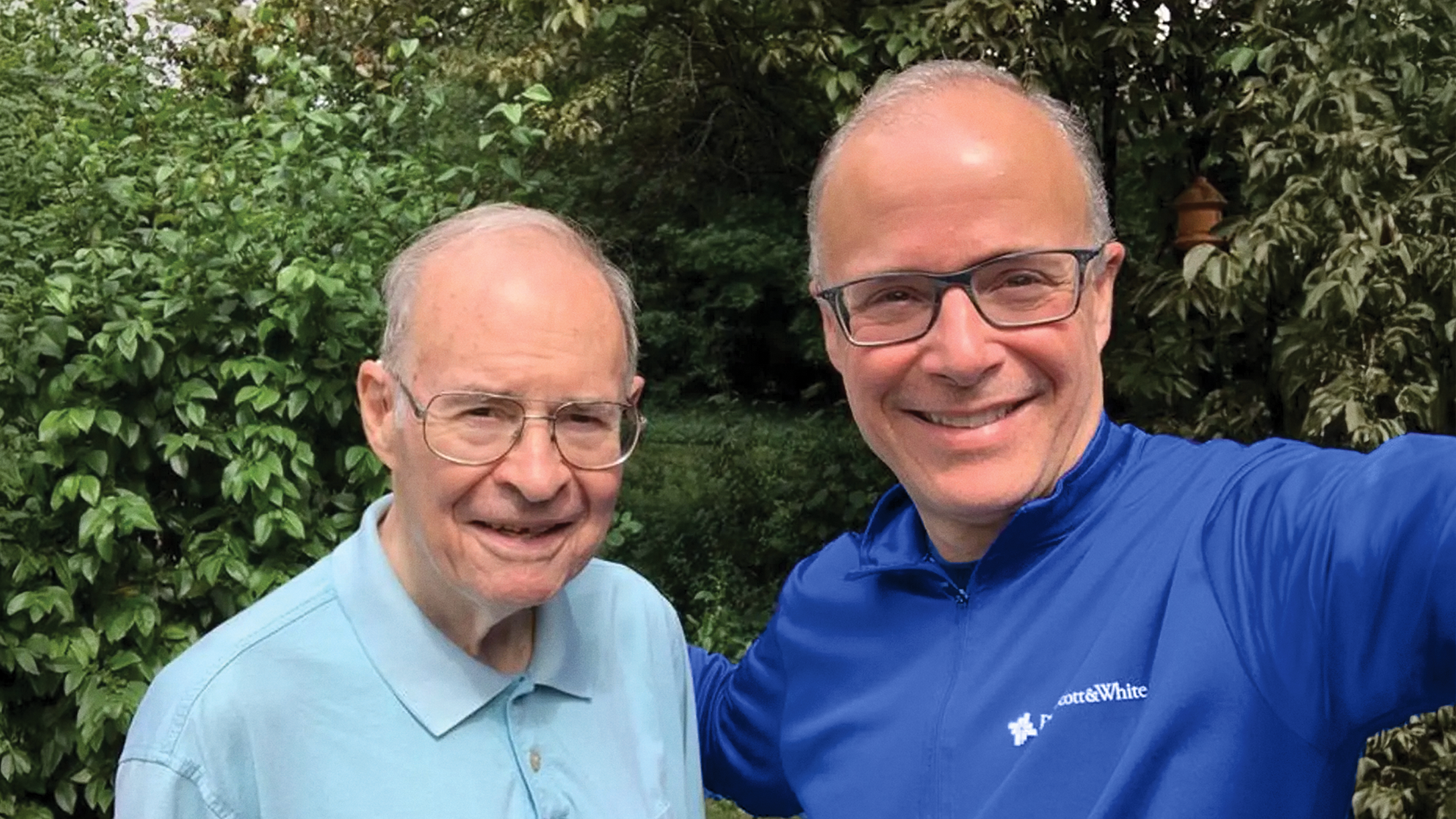
Late in life, my father battled Parkinson’s disease hundreds of miles away from me. I watched him try to navigate a healthcare system that felt disjointed and impersonal. He was sent home with prescriptions but no guidance, no coordination between providers and no continuity of care. He made lists of everything that did not work and asked me a question that gives me purpose every day: What are you going to do about this?
Why transformation is required
For much of my career, I focused on operational discipline and financial rigor—believing that if the system ran well, patients would benefit. But my father’s care journey revealed a blind spot: even well-run systems can fail the people they are meant to serve.
That realization reframed how I think about healthcare. Americans spend nearly 20% of GDP on healthcare, yet outcomes lag, costs rise and systems remain fragmented. Too often, people end up in the wrong care settings because they do not know where else to go.
After decades in the industry, I knew where the system fell short—and my father’s experience made it clear that small fixes were not enough. We must transform, building the system around people and their needs.
Delivering solutions
That work is underway across Baylor Scott & White. We are reimagining healthcare as a connected experience—simpler, more personal and better supported.
For example, many who come to our emergency rooms could have been treated in a more convenient and less costly setting, sometimes even from home. But they don’t know their options.
That is why we created Help Me Decide, an online tool that guides patients to the right care for their symptoms.
We are also closing one of the most urgent gaps for our patients and customers today: timely, affordable care for mental health needs. Through our partnership with Geode Health, we are expanding access to high-quality outpatient mental health care—meeting people where they are, in person or online.
Efforts like these often begin with philanthropy.
Donor support helps pilot new models, bring care to more communities and improve the overall experience.
We will not stop until care is personalized, frictionless and engaging. We will not stop until every person feels known and supported on their journey.
Connecting to purpose
My father’s experience brought my purpose into sharper focus and reminded me why transformation is so important.
Across Baylor Scott & White, I see our team members living out their why through their commitment to those we serve. And similarly, purpose drives our philanthropic partners—individuals and organizations who give so others can experience high-quality compassionate care.
When we connect to what drives us, we create experiences that earn trust, strengthen relationships and empower people to live well. Together, we are transforming not just how healthcare works, but what it feels like.
Customer-centered transformation
McCanna envisions a shift from a “supply-oriented” to a “demand-oriented” system—one that empowers the customer and delivers a truly seamless experience. Key areas of focus include:
- Elevating the patient’s status: Treat patients as customers whose needs and well-being matter 24/7.
- Improving prevention and chronic-condition care: Close long-standing gaps in managing chronic disease and promoting prevention.
- Building a digital partnership: Evolve the MyBSWHealth app into an everyday health partner—a “swinging door,” not just a front door.
- Removing pain points: Simplify experiences with tools focused on family care management and medication management.
- Expanding mental health access: Develop solutions to meet the critical need for behavioral health services.
- Personalizing care: Deliver tailored recommendations, such as customized to-do lists.